Google Ads for farm equipment and machinery: what actually works
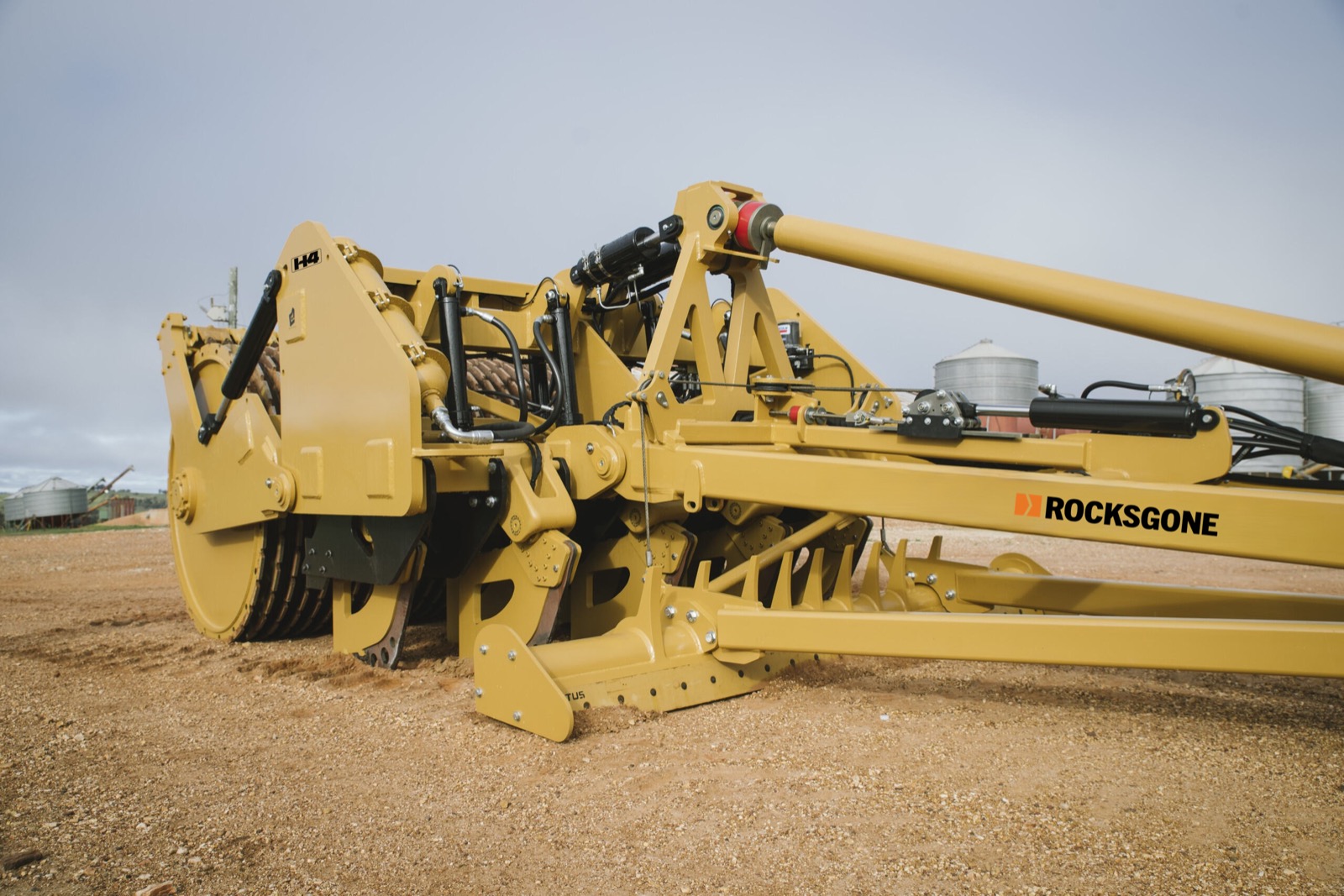
Google Ads is the single highest-intent channel for machinery and equipment businesses, because buyers tell you exactly what they want. But it is also where the most budget gets wasted. Here is how to structure an account that produces sales-qualified leads, not just clicks.
Start with intent, not keywords
Group your spend by how ready the searcher is to buy. Someone searching "mini excavator for sale" is far closer to a purchase than someone searching "what is a mini excavator". Fund the buying-intent terms first: "for sale", "used", "price", "dealer near me", and specific models. These convert. Educational terms can wait until the core is profitable.
Use the right campaign type for the job
Protect the budget with negatives
Rural categories attract a lot of junk: job seekers, DIY researchers, spare-part hunters when you sell whole units. A disciplined negative keyword list is the difference between a profitable account and a leaky one. Review the search terms report weekly and cut what does not convert.
Track to the sale, not the form
The biggest lever is conversion tracking. If Google only optimises for cheap form fills, you get cheap, low-quality leads. Feed real sales data back in and the algorithm starts finding buyers who actually purchase. This is exactly the loop we build for clients like OffSider AG, where every enquiry is tracked from click to sale.
Google Ads is one stage of a bigger system. To see how it connects to capture, qualification and follow-up, read the full lead-generation playbook.
Two questions before you go
Answer them and you will know whether your account is funded in the right order.
-
1. You have budget for one campaign this month. Which search terms get it?
The buying language. Someone searching mini excavator for sale is far closer to a purchase than someone searching what is a mini excavator. Fund the intent, not the volume. Educational terms can wait until the core is profitable, and often they are not even buyers.
-
2. When should you switch on Performance Max?
Once tracking is solid. Performance Max is good at the long tail of models, attachments, hire and locations. But it optimises toward whatever conversion you feed it, so if that is a cheap form fill it will spend blind and find you more tyre kickers, fast. Get the loop closed first, then let it loose.

Want your Google Ads built to produce sales-qualified leads?
Harvest Lead runs advanced Google Ads for agriculture and machinery businesses across Australia. Book a call and we will audit your search demand.
Book a strategy call