RiverCity Trailers: $11M+ in sales from a rebuilt lead and sales system
Trailers and equipment, South Australia. A full leads and sales system across Google and Meta with bespoke landing pages, driving qualified quote requests for premium trailers and ramps at scale.
The situation
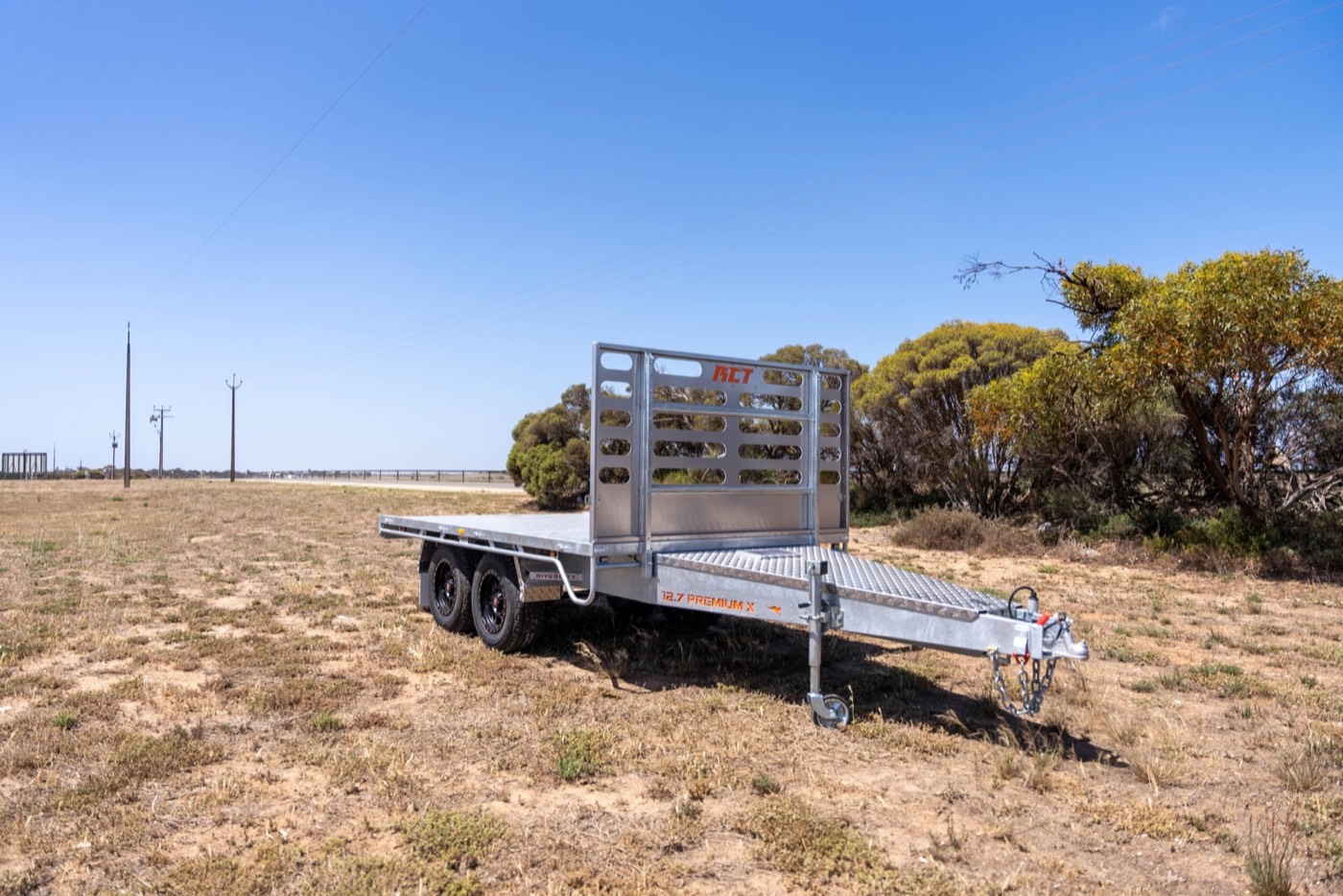
RiverCity Trailers builds premium flatbed, tipper and stock trailers, plus loading ramps, out of South Australia. The product is high value and the buyer is specific: a farmer or contractor who knows the capacity and the deck size he needs before he starts looking.
That combination is unforgiving. There are not many buyers for a 4.5 tonne tipper in a given month, and the ones who exist are comparing two or three suppliers on specs and freight. Marketing that treats them as general traffic wastes most of the budget.
What we built
- A search account structured by machine type rather than by theme, so the specs in the ad match the specs in the query.
- Brand campaigns separated and measured on their own, so non-brand performance could not hide behind them.
- Bespoke landing pages per product family, answering deck size, capacity, freight and finance on the page.
- Meta campaigns and retargeting reaching buyers across a cycle far longer than a standard 30 day window.
- Tracking wired through to the quote and the sale, so the account is optimised on revenue rather than on form fills.
The part that actually made the difference
The search-term report. On a machinery account the gap between a good month and a wasted one is usually a dozen queries, and they are not the ones a keyword tool suggests.
Two examples from a single 30 day pull on this account. "Portable sheep loading ramp" converted, at a 14.6% click-through rate. "Sheep ramp", the generic version of the same product, did not convert at all despite drawing more impressions. Same product, different buyer.
The specific query names a form factor the buyer has already chosen. The generic one is a browsing query. You only learn which is which by reviewing the search terms of a live account every week and negativing the browsers out one at a time. That discipline is most of the result on this page.
What we would tell another machinery business
Two things. First, separate your brand terms and look at what is left, because brand will carry most of your tracked conversions and make a weak non-brand account look healthy.
Second, get the sale outcome back into the ad platforms. Until an invoice is visible to Google, it optimises toward whoever fills in forms most readily, and on a $30k trailer that is not the same person as the buyer.
What the brand split revealed
Separating brand from non-brand is the first thing we do on a machinery account, and on this one it was instructive. Brand queries such as "river city trailers" and "rct trailers" carried the large majority of tracked conversions in a given month.
That is normal and it is not a problem in itself. The problem is what it hides. An account where brand is folded in with everything else reports a healthy conversion rate while the non-brand campaigns, the ones that are supposed to find new buyers, quietly underperform. You cannot fix what the reporting is averaging away.
Once split, the non-brand job became clear: find the specific machine-type queries that behave like buyers, and stop paying for the generic ones that behave like browsers.
Why cost per lead was the wrong target
The trailers in this range are five-figure purchases. At that order value, a month with forty cheap enquiries and no sales is worse than a month with eight expensive ones and three sales, because the forty consumed the sales team as well as the budget.
Optimising toward cost per lead pushes an account steadily toward the cheapest end of its market, and nothing in the ad platform warns you it is happening. Moving the target to tracked quotes and sales changed which campaigns looked good, and it changed where the budget went.
Common questions
- What did Harvest Lead do for RiverCity Trailers?
- We built a full leads and sales system across Google and Meta: a search account structured by machine type, brand campaigns separated and measured on their own, bespoke landing pages per product family answering deck size, capacity, freight and finance, retargeting across a buying cycle far longer than 30 days, and tracking wired through to the quote and the sale. The system has produced $11M+ in sales and $21M+ in quotes, with $250k in the first 10 days.
- Why did "portable sheep loading ramp" convert when "sheep ramp" did not?
- The specific query names a form factor the buyer has already chosen, which means the decision is largely made and he is looking for a supplier. The generic query is a browsing query that covers students, people pricing a weld job, and buyers who are months away. Same product, different stage, and only the search-term report of a live account tells you which is which.
- How long does it take to see results on a machinery account?
- Qualified enquiries can arrive in the first fortnight because search captures demand that already exists. Revenue lands later, because the machinery buying cycle runs three months at the fast end and longer for larger equipment. That gap is exactly why the account is judged on tracked quotes and sales rather than on its first month of form fills.
Want this built for your business?
We map your search demand, show you where the sales-qualified leads are hiding, and tell you what it would take. No obligation.
Book a strategy call