Agribin: $1.7M generated across Meta and Google
Grain and fertiliser bins, national. A full leads and sales system across Meta and Google Ads for their road-train and fertiliser bins, built on complete tracking and lead attribution.
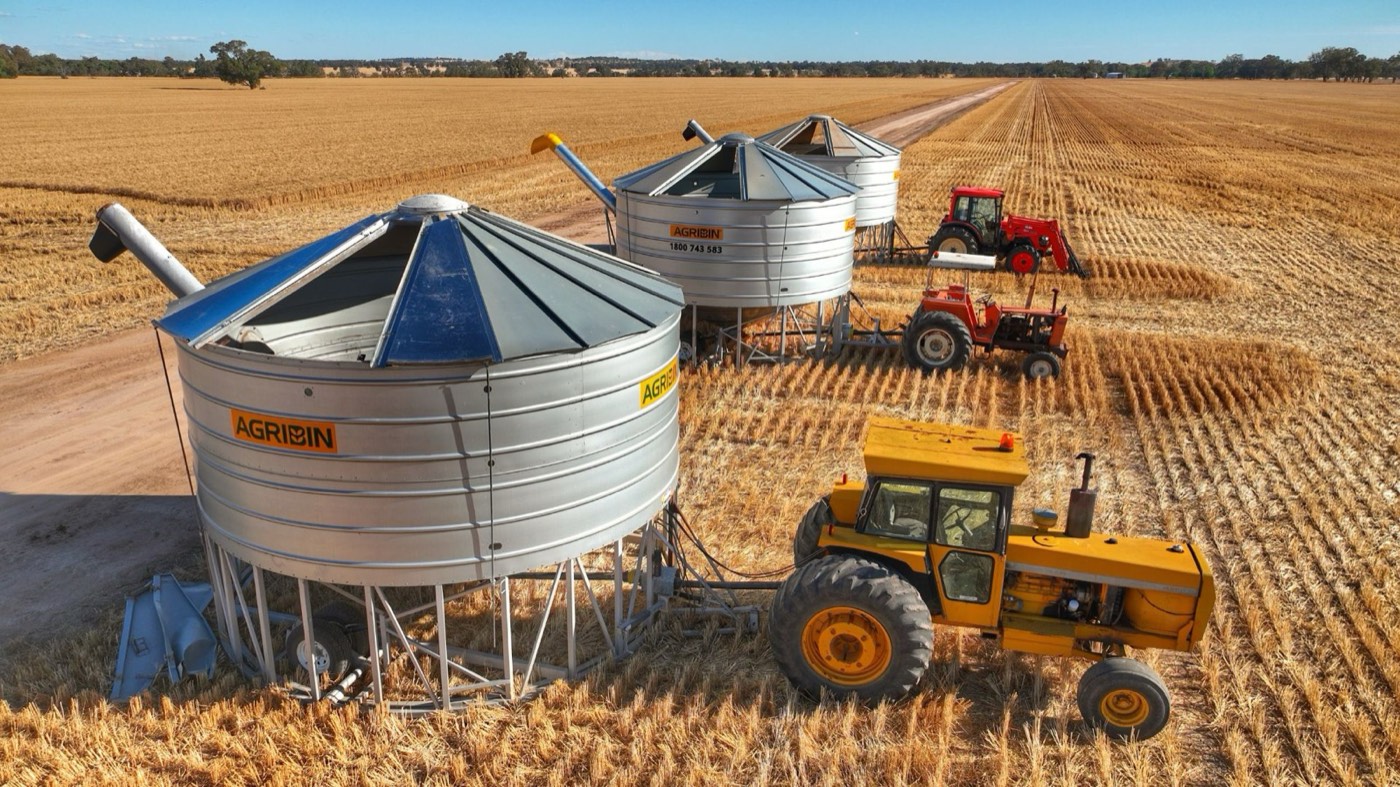
The situation
Agribin manufactures grain and fertiliser storage, including road-train and field bins, and sells nationally. Demand is strongly seasonal and concentrated: storage decisions cluster around the run-up to harvest and around the fertiliser buying window.
A national footprint with a seasonal, concentrated demand curve is a specific problem. Spend evenly across the year and you buy your worst leads at your highest price. Spend only in the peak and you arrive after the decision is made.
What we built
- A budget calendar built on the agricultural year rather than the financial one, scaling into the six to ten week run-up and holding through the flat periods.
- Meta and Google running as one system, with Meta reaching buyers during the planning window and search capturing them once they began comparing suppliers.
- National campaigns segmented by region so the message matched the local season, which does not run to the same dates across the country.
- Complete tracking and lead attribution from first click through to the sale.
Getting to revenue in ten days
The launch landed inside a buying window, which is the whole argument for timing an agricultural account to the season. The same campaigns launched eight weeks later would have produced a fraction of the result and looked like a channel failure.
That is worth stating plainly, because it cuts against how most agencies report. A campaign that underperforms in the wrong season is not a campaign problem. Judging it as one leads businesses to switch off the thing that would have worked six weeks later.
The lesson on seasonality
Your budget calendar is the ag calendar. Not the quarter, not the financial year, not the marketing plan written in January. For storage that means the run-up to harvest and the fertiliser window. For machinery it is different again, and it moves with the season rather than with a date.
Getting that timing right is usually worth more than any change to the ads themselves.
Selling nationally into a season that moves
A national footprint sounds like a simplification and is the opposite. Harvest does not run to the same dates in Queensland as it does in Western Australia, and a single national campaign with one message and one budget curve is wrong almost everywhere for most of the year.
Segmenting by region let the message and the spend follow the local season rather than an average of all of them. That is unglamorous work, and on a seasonal product it is worth more than any change to the creative.
What holding spend actually means
Holding is not switching the account off. Through the flat periods the budget moves to retargeting and to the audiences that will matter in the next window, so the buyers doing early research are still being reached at a fraction of peak cost.
An agency paid a percentage of media has no incentive to recommend this. It is the right call on a seasonal agricultural account and it is worth asking any agency whether they have ever made it.
Common questions
- What did Harvest Lead do for Agribin?
- We built a leads and sales system across Meta and Google for their road-train and fertiliser bins, with a budget calendar built on the agricultural year rather than the financial one, national campaigns segmented by region so the message matched the local season, and complete tracking and lead attribution from first click to sale. It generated $1.7M, with revenue inside 10 days of launch.
- When should an agricultural business scale ad spend?
- Into the six to ten week run-up to the relevant buying window, not evenly across the year and not to the financial quarter. For grain and fertiliser storage that means the lead-in to harvest and the fertiliser buying window. Spend evenly and you buy your worst leads at your highest price; spend only at the peak and you arrive after the decision is made.
- Is a fast result like 10 days repeatable?
- Only when the launch lands inside a buying window, which is the entire argument for timing an agricultural account to the season. The same campaigns launched eight weeks later would have produced a fraction of the result and looked like a channel failure. It is worth saying plainly, because judging a campaign in the wrong season leads businesses to switch off the thing that would have worked six weeks later.
Want this built for your business?
We map your search demand, show you where the sales-qualified leads are hiding, and tell you what it would take. No obligation.
Book a strategy call