Machinery landing pages and lead qualification
You can buy perfect traffic and still lose the sale on the page. Most machinery landing pages are brochures with a form stapled on, and they leak enquiries in three predictable places.
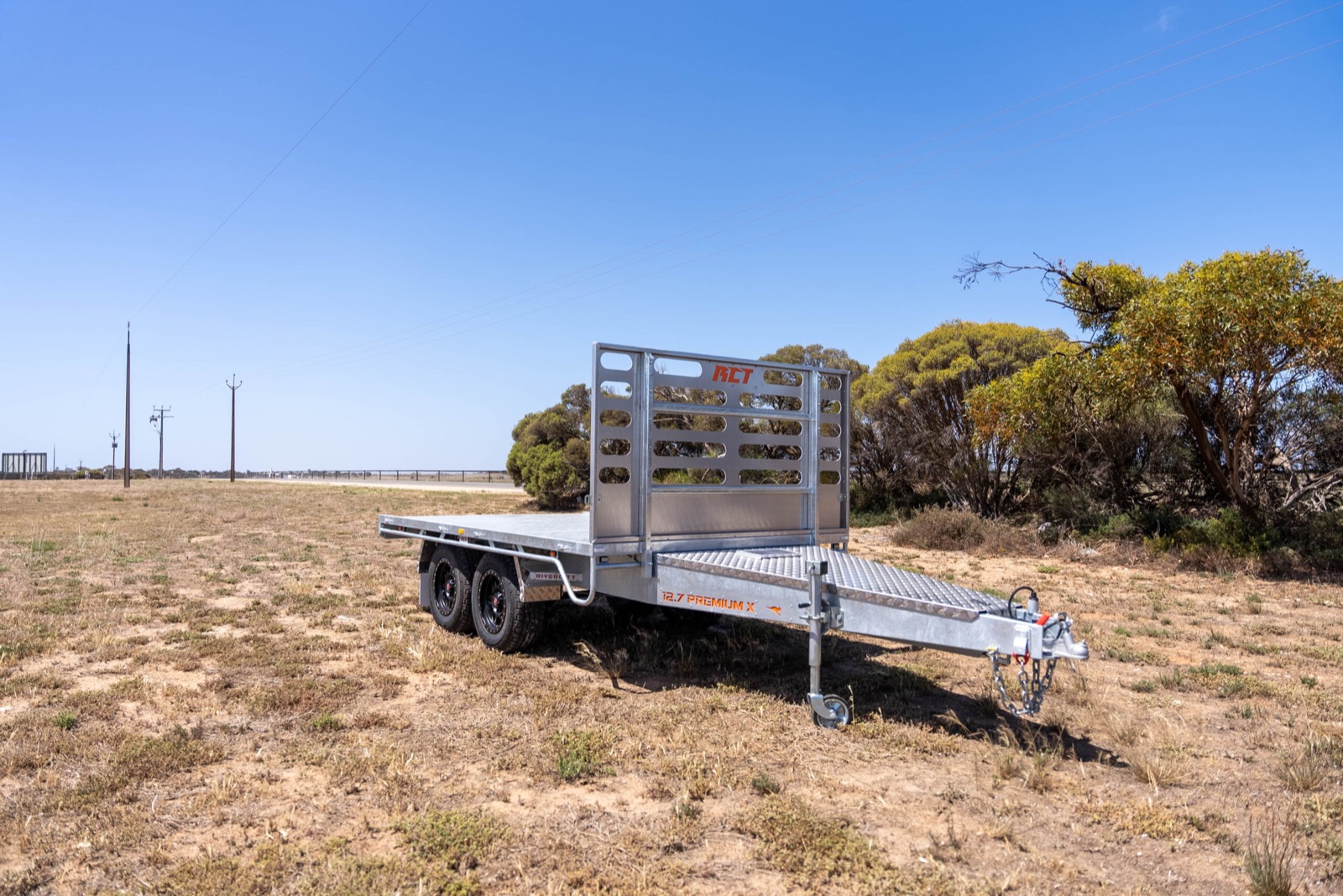
One machine, one job, one page
The single most common failure is sending a buyer who searched for a specific machine to a category page listing eleven of them. He came to confirm you sell the thing he typed. Make him hunt for it and he goes back to the results.
A machinery page has about five seconds to prove three things: you sell this exact machine, it does the job he needs, and here is what it looks like doing it on a property like his.
Specs, freight and finance: the three enquiry killers
Every unanswered question is a reason to leave. On machinery the three that matter most are the technical specs, what it costs to get it to his property, and whether finance is available.
Businesses hide all three behind "contact us for pricing", believing it forces a conversation. It does force a conversation, with the small subset of buyers willing to ring a stranger to find out a number. Everybody else quietly leaves and rings the competitor who published it.
Put the friction in the form, not the phone call
Fewer form fields produce more leads. That is true and it is the wrong goal on a machine worth five or six figures. What you want is fewer, better enquiries, and the form is the cheapest place to do the qualifying.
Asking for the machine type, a rough timeframe and the property or operation size costs you the people who were never buying and tells your sales team who to ring first. That is a trade worth making every time.
Where machinery pages leak, in order
Across the machinery accounts we manage, enquiries are lost in the same three places and in roughly this order of severity:
| Leak | What it looks like | The fix |
|---|---|---|
| Wrong destination | A search for one machine lands on a category page listing eleven | One machine, one job, one page |
| Unanswered questions | Specs, freight and finance all behind "contact us" | Publish all three, at least as a range |
| Wrong form | Three fields, high volume, low qualification | Add machine type, timeframe and operation size |
Speed to lead decides who gets the sale
A farmer who fills in your form at 6am is in a paddock with no signal by 8. Ring back tomorrow and you are the fourth call, not the first.
We build the routing so the enquiry reaches a human immediately rather than an inbox, with an automated acknowledgement that sets the callback expectation, and an escalation if nobody has picked it up within the window.
Qualification and CRM visibility
A qualified enquiry that lands in a shared inbox is not a sales-qualified lead, it is a lost one with extra steps. The last part of this work is getting every enquiry into a CRM with its source, its campaign and its click ID attached, so the pipeline is visible and the outcome can be sent back to the ad platforms.
That last link is what makes everything upstream measurable. Without it you are optimising a machinery account on form fills.
Common questions
- How many form fields should a machinery landing page have?
- More than a lead-gen best-practice guide would tell you. Fewer fields do produce more leads, but on a machine worth five or six figures the goal is fewer, better enquiries. Machine type, rough timeframe and operation size are worth asking for: they cost you the people who were never buying and tell your sales team who to ring first.
- Should we publish machinery prices on the page?
- In most cases yes, at least a band. Hiding price behind contact-us does force a conversation, but only with the small subset of buyers willing to ring a stranger to find out a number. Everyone else leaves and rings the competitor who published it.
- How fast do we need to respond to a rural enquiry?
- Minutes, not hours. Rural buyers are often only contactable in short windows, so a lead that arrives at 6am and gets a callback the next day reaches a buyer who has already spoken to three competitors. We build routing that reaches a human immediately, with an escalation if nobody picks it up.
- Do we need a CRM for this to work?
- Yes, or at least somewhere every enquiry lands with its source, campaign and click ID attached. Without it the pipeline is invisible and you cannot send sale outcomes back to Google and Meta, which means the platforms keep optimising toward form fills.
Want this built for your business?
We map your search demand, show you where the sales-qualified leads are hiding, and tell you what it would take. No obligation.
Book a strategy call