When to scale spend in agriculture marketing, and when to hold
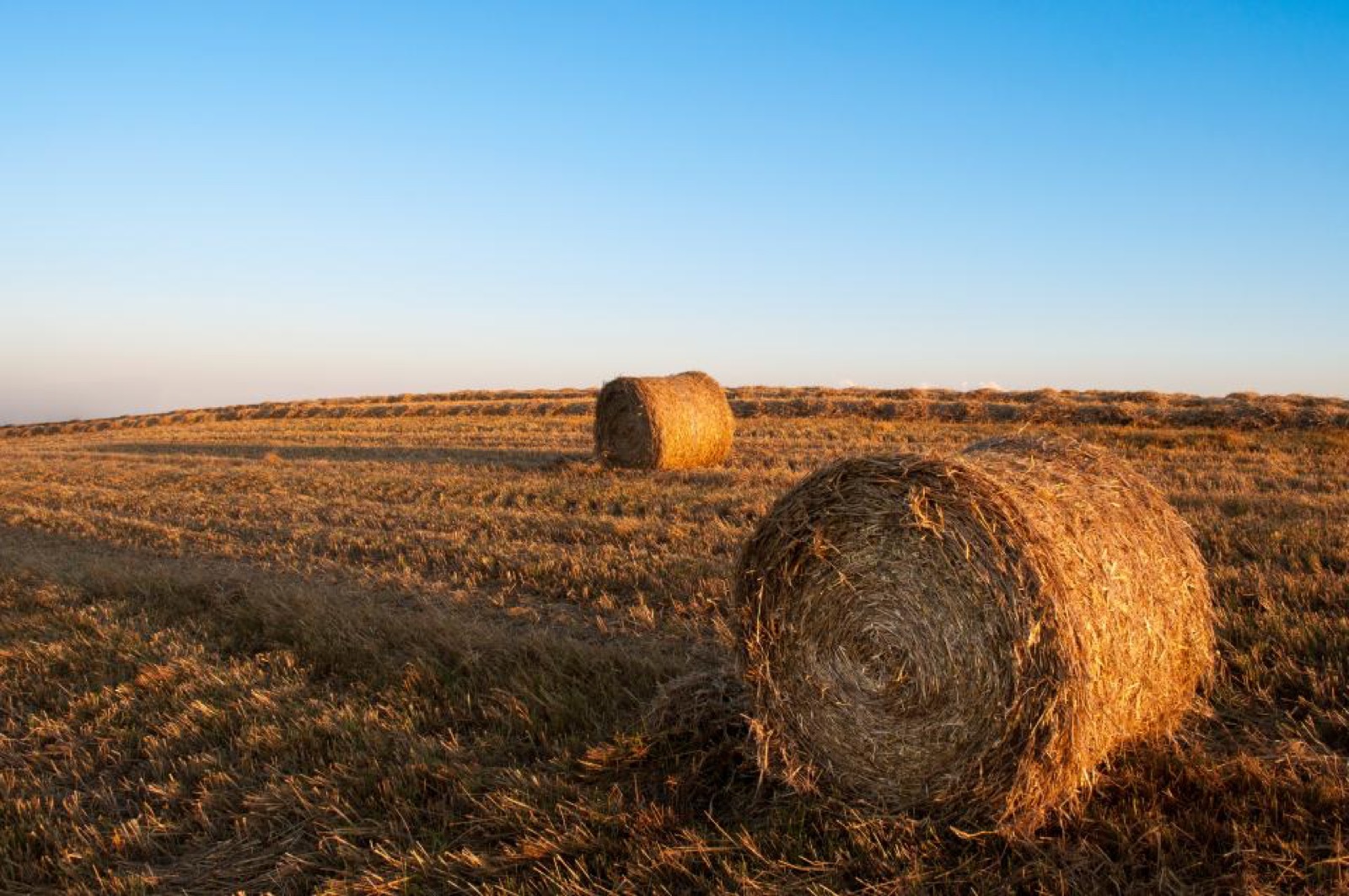
Your budget calendar is the ag calendar, not the financial one
Most machinery and ag service businesses I look at are running a flat monthly ad budget. Same $6,000 in February as in June. It feels disciplined. It is actually the single most expensive habit in agriculture marketing, because farm buying is not evenly spread and never has been.
A grower's willingness to spend money moves with cash flow, weather and workload. Cash lands after harvest. Urgency lands before seeding. Attention disappears completely during harvest, because your buyer is in a header at 9pm and is not filling in your form. If your spend does not move with that, you are paying full price for attention in the weeks nobody is buying, and running out of budget in the weeks they are.
Here is the shape of the year I plan against for southern and central growing regions. Queensland and northern New South Wales sit roughly a season ahead, so I split campaigns by state long before I split them by product.
When I scale spend
I scale on evidence, not on optimism, and the evidence has to be about sales, not enquiries. But there are five situations where I will push budget up without waiting for a perfect signal, because the window closes whether you are ready or not.
The one people get wrong most often is timing. They scale during the buying window. By then the grower has already worked out what they want and half the shortlist is set. I want to be in front of rural buyers six to eight weeks before the machine is needed in the paddock, when the shortlist is still being built and cost per click is a third of what it will be later.
When I hold, and what holding actually means
Holding is not switching off. Switching off is what kills accounts. Every time you pause a Google Ads campaign for six weeks you throw away the learning, the auction history and the retargeting pool, then you pay to rebuild all three when you come back.
Holding means dropping to a floor and changing the job the ads are doing. During harvest I will typically run 20% to 30% of peak budget, pointed almost entirely at brand terms, retargeting and video. The job is not to book demos in November. The job is to still be the name they remember in February when the cheque clears.
There is also the honest hold, the one nobody likes talking about. If the district is dry, prices are down or the season has gone bad, hold. No amount of clever Meta Ads creative sells a $180,000 machine to someone who has just written off a crop. Spend the money on the database you already own instead.
- Six to eight weeks pre-window
- May to June EOFY
- Field day catchments
- Sales team has real capacity
- Sold revenue tracking back to source
- Between the seeding and hay windows
- New creative still proving itself
- Cost per lead drifting but close rate stable
- Waiting on stock or lead times over 12 weeks
- Peak harvest weeks
- District in genuine drought
- Commodity price crash
- Brand, retargeting and video only, never a full pause
Why your November leads look terrible in November
This is the mistake that costs the most money, and it is not a media buying mistake. It is a measurement one.
Big gear has a long tail. A ute-load of fencing supplies or a slasher might close in two to six weeks. A header, a self-propelled sprayer or a chaser bin runs three to nine months from first enquiry to signed order, and often longer if it is tied to a trade-in or a finance approval. So the leads you generate in the harvest window get judged in December, when almost none of them have landed, and someone in a meeting says the campaign did not work.
It did work. You just measured it before it finished. I do not make a scale or hold call on a machinery campaign until I have at least one full sales cycle of data, and I judge each intake cohort by the month it was generated, not the month the sale closed.
Which channel does which job across the season
I get asked whether ag businesses should be on Google Ads or Meta Ads as if it is a choice. It is not. They do different jobs at different points in the season and the mistake is asking one of them to do the other's work.
Search catches demand that already exists. Someone typing in a model number or "chaser bin for sale NSW" is deep in the process and expensive to reach, and worth every cent in the window. Meta creates demand ahead of the window and keeps you present when search volume is dead. Cost per lead on Meta will look better on the surface, often $30 to $70 against $110 to $250 on search for machinery, and it will convert to sale at a much lower rate. Judge them on different yardsticks or you will kill the one that is doing the setup work.
Track to the sale or you will scale the wrong season
None of the above works if the only thing you measure is form fills. Ag is full of campaigns that look brilliant on lead volume and sell nothing, usually because they are pulling in people researching for next year, or backpackers, or someone after a part worth $40.
So the plumbing matters more than the media buying. Every enquiry gets stamped with its source, the machine and the state. That goes into the CRM. Sales marks the real outcome, sold, lost or not qualified. Then the sold value goes back to Google Ads and Meta Ads as an offline conversion, so the platforms optimise toward buyers instead of toward whoever fills in forms fastest.
Once that loop is running, the seasonality decision stops being a guess. You can see that your April intake closed at 22% and your November intake closed at 8%, and you can move next year's budget accordingly. Without it, you are scaling on vibes and a lead counter.
How I would carve up a $10k a month budget across a year
If you sell agricultural machinery into Australian growers, do not spread $120k evenly across twelve months. Split it by job, then load the seasonal portion into the two or three run up windows that actually matter for the gear you sell.
The reserve is the part people skip and the part I would fight to keep. Rain does not consult your media plan. Having $15k to $20k sitting unallocated means you can double a region for three weeks without robbing the campaigns that are already working.
Set it up this way and the quiet months stop feeling like failure. They are supposed to be quiet. You are buying attention in February and March so that someone signs in June, and the only way to know it worked is to have the sale wired back to the click that started it.
Two questions before you go
Two calls I have had to make on real accounts. Pick what you would do.
-
1. It is 20 May. Your dealership's cost per lead on Google Ads has climbed from $95 to $140 over three weeks, and the sales team is already two days behind on quotes. What do you do with budget?
Push, and fix the bottleneck. The EOFY run-up is the highest close-rate period of the ag year, so a $140 lead in June is usually worth more than a $95 lead in July. Waiting for cheaper leads means arriving after the tax-driven urgency has gone. And moving the money to cheaper Meta leads swaps high-intent buyers for shortlist builders at exactly the moment intent is at its peak.
-
2. You run leads for a header and chaser bin dealer. November enquiries came in at $210 against a $150 target, and by mid December only 3 of 60 have sold. Do you cut the harvest-window push next year?
Wait for the full cycle. A header enquiry made during harvest typically closes in autumn, so grading it in December measures the lag, not the campaign. The six-week verdict fails for the same reason, and the third option quietly makes the same mistake while sounding cautious. Cut it only if the cohort is still underperforming on sold revenue once the sales cycle has actually run out.

Want this system built for your business?
Harvest Lead builds lead and sales systems for agriculture and machinery businesses across Australia. Book a call and we will map your search demand.
Book a strategy call