Your landing page loads fine in town. Your buyer is on one bar in a header cab.
 Written by Michael Nadalin, CEO and Founder · 02 Oct 2026 · 6 min read
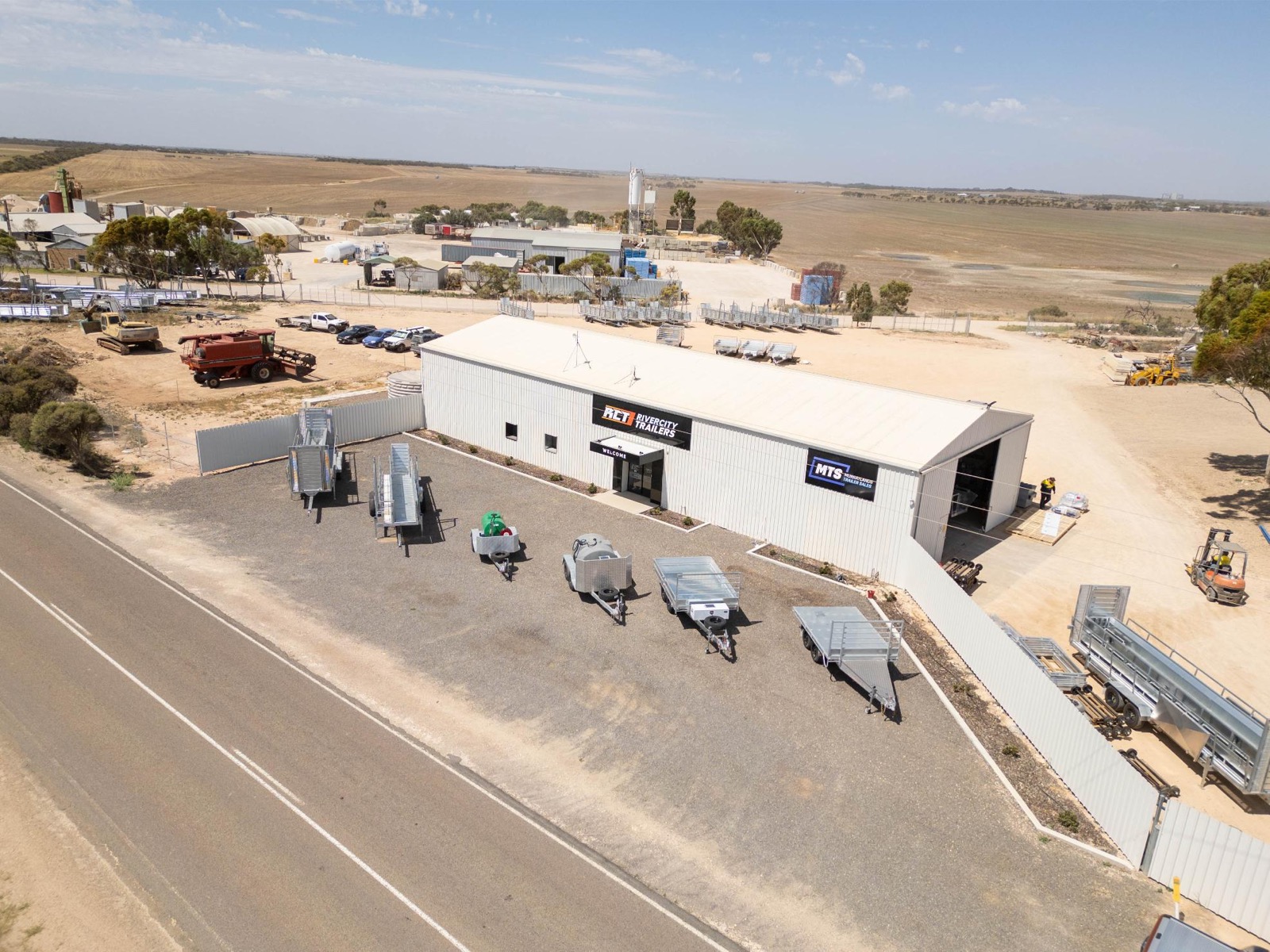
Where is your buyer actually standing when they click your ad?
Not at a desk. I've watched the click data on agricultural machinery campaigns for years, and the pattern hardly changes. Mobile makes up 75 to 90 percent of the traffic. Most of it comes in early morning, at lunch, or late at night, and a big share comes from postcodes where coverage is patchy at best.
That changes how you build the page. Most agencies design landing pages on a 27 inch monitor plugged into fibre, then wonder why a campaign that looks good in Google Ads turns into a handful of tyre kickers. The page isn't failing because the offer is weak. It's failing because it never finished loading on the bloke checking prices from his ute at the sale yards.
So here's where I stand. The first job of a rural landing page is to load on bad reception. Being persuasive comes second. A beautiful page that takes 9 seconds to appear has a conversion rate of zero for anyone who gave up at second 5.
Where do paid clicks go missing on a slow page?
When we audit a machinery dealer's campaign, the first thing I compare is the paid clicks reported in Google Ads or Meta Ads against the sessions that actually show up in analytics. On heavy pages in regional areas the gap is often 20 to 40 percent. Those people clicked, you paid for the click, and they left before the page loaded enough to count.
Then the drop continues further down. The form sits below a slider, the slider is still loading, and the buyer scrolls past a grey box. The numbers below are typical of what I see on a heavy page in rural traffic. They're not one client's results, but they're close enough that you should check your own.
This is why chasing a cheaper cost per click in harvest usually goes nowhere. If 35 percent of your clicks never see the page, a 10 percent bid saving is noise. Fixing page weight is the cheapest lead you'll ever buy.
What should I strip off the page first?
My target for a rural mobile landing page is under 1MB total, and ideally around 500KB. Most dealer pages I'm handed are between 4MB and 12MB. You don't close that gap with tweaks. You close it by cutting things.
Start at the top of this list and work down. The first two usually get you most of the way, and none of it hurts conversion. In every test I've run on farm equipment leads, the stripped back page has beaten the pretty one.
How do I get the enquiry when the signal drops halfway through?
This is the part most people miss. Even a fast page can lose the lead at the very end. A 9 field form that times out on submit wipes everything the buyer typed, and he won't type it all in again from a header seat.
Put the phone number and a click to call button at the top, before anything else. Many rural buyers would rather ring anyway, especially for machinery over $50k. Keep the form to name, phone, postcode and one question that actually helps sort them, like what they're running now or when they need it by. Ask everything else on the phone call, which is where it belongs.
Have the page send the form in a way that keeps what was typed if the connection drops, and make the thank you page tiny. If your sales team can follow up by text message, say so on the page. A farmer who can't hold a call in the paddock will happily reply to a text that night.
- Click to call button at the very top
- Form of 3 or 4 fields
- Typed details kept if the signal drops
- Price range or finance figure in plain text
- Option to get a text back
- Phone number hidden in the footer
- 9 field form with dropdowns
- Brochure PDF download as the main offer
- Booking calendar widget that loads slowly
- Price on application with no context
If they call instead of filling in the form, how do I know the ads worked?
Once you push buyers toward the phone, your form fills will often drop while real enquiries go up. If you only count form submissions, the dashboard tells you the campaign got worse just as it got better. I've seen dealers switch off good campaigns because of exactly this.
The fix is to track all the way to the sale, not just the form fill. Use call tracking numbers on the page, pass the click ID into your CRM, and mark which leads became sales-qualified leads and which became actual sales. Then send that back into Google Ads and Meta Ads so the platforms optimise toward buyers rather than whoever is quickest to tap a button.
Machinery sales cycles in agriculture run anywhere from a fortnight to a full season, so give it time. A header enquiry in October might turn into a deposit after harvest. Once the sale data is flowing back, your cost per sale tells you far more than any cost-per-lead band ever will.
Two questions before you go
Two calls I see dealers get wrong every harvest. What would you do?
-
1. You're running Google Ads for header fronts during harvest. Cost per lead is sitting around $140, the landing page is 7MB with an autoplay video, and analytics shows 30 percent fewer sessions than paid clicks. What's the first move?
Fix the page weight first. A 30 percent gap between clicks and sessions means you're paying for buyers who never see the page, so a bid cut only saves pennies on a broken funnel. Adding form fields makes it worse on one bar, because longer forms time out and wipe what the buyer typed.
-
2. You moved click to call to the top of a tractor landing page. Form fills dropped from 40 a month to 25, but the sales team says they're busier than ever. The ads dashboard shows conversions down. What do you do?
Track the calls through to the sale. The dashboard only counts form fills, so it's missing the enquiries that moved to the phone, and reverting would throw away a better page. Ignoring the data is just as bad, because Google and Meta will keep optimising toward the wrong goal unless you send real sales back to them.

Want this system built for your business?
Harvest Lead builds lead and sales systems for agriculture and machinery businesses across Australia. Book a call and we will map your search demand.
Book a strategy call