Call tracking for dealerships: attributing the phone calls that actually close
 Written by Michael Nadalin, CEO and Founder · 28 Sept 2026 · 7 min read
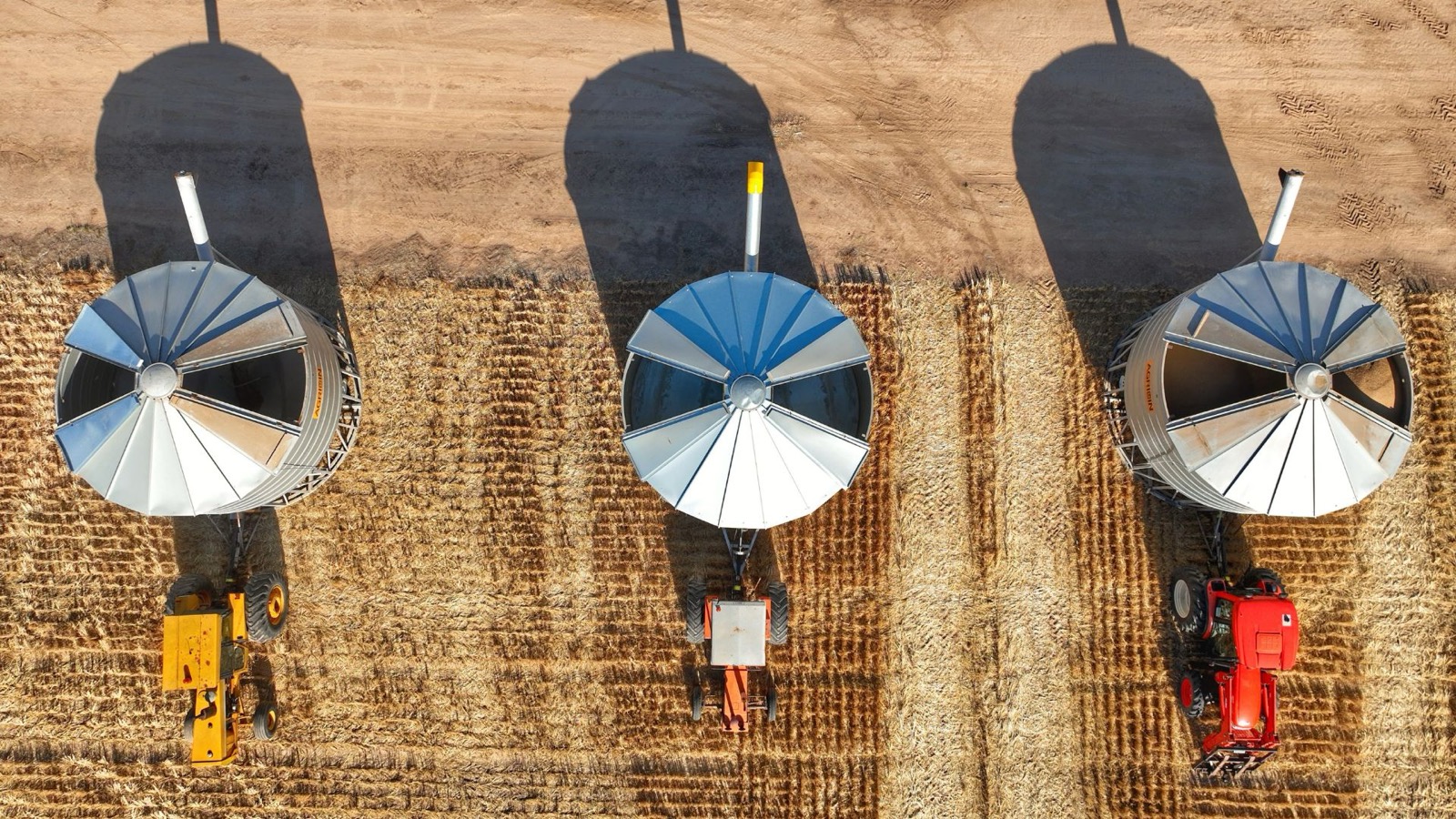
Why are you judging your ads on the leads that matter least?
Here's what I see in nearly every dealership account I take over. The owner opens Google Ads, sees 30 form fills for the month at $150 each, and decides the campaign is marginal. Meanwhile the sales team took 80 calls that month and sold two headers and a tractor off the back of them. Nobody knows which of those calls came from the ads.
Farmers ring. That's how rural buyers do business, and it isn't changing. A grain grower sitting in a ute between paddocks is not filling out a five-field form on his phone. He's tapping the number, asking if you've got a 40 foot air seeder on the yard, and wanting a price before he loses signal.
So when you measure agriculture marketing on form fills alone, you're measuring the small, cooler slice of your enquiry and ignoring the part that pays the bills. I've watched dealers switch off campaigns that were quietly driving their best phone enquiry, purely because the dashboard only counted forms.
How does call tracking actually work on a dealer website?
It's simpler than most people think. You get a pool of tracking numbers from a provider, and a small script on your website swaps the number a visitor sees depending on how they arrived. Someone from a Google Ads click sees one number. Someone from a Meta Ads click sees another. Someone who typed your name straight in sees your normal line.
Every number forwards to your existing phones, so the front counter doesn't change a thing. The caller never knows. What you get is a record of every call with its source, campaign, keyword where available, duration and a recording.
For calls that happen straight from the ad itself, Google's own call extensions and call assets handle the tracking. For your trucks, signage, radio and print, give each one its own static number. A $5 a month number on the side of a service ute tells you more than any brand survey will.
Which calls should count as a lead?
Not every call is a lead, and this is where most setups go wrong. Out of the box, Google counts any call over 60 seconds as a conversion. That lumps a $600,000 header enquiry in with someone asking what time parts closes on Saturday.
If you feed that to the algorithm, it will happily find you more cheap calls about opening hours. I set dealers up to separate calls by type, and only the top two tiers get reported as sales-qualified leads. Parts and service calls still matter, but they belong in their own bucket with their own value.
Tracking the ring isn't enough. Track it to the sale.
A tracked call tells you where the conversation started. It doesn't tell you whether it ended with a machine going out the gate. For agricultural machinery, the gap between the two can be months. A cropping farmer might ring in June about a new sprayer, come to a demo in August and sign just before the spraying window opens in spring.
That's why I push every dealer to log calls into the CRM with the source attached, then connect the quote and the invoice to that same record. Once you've got that, you can send sold deals back into Google Ads as offline conversions with a real value. Now the campaign is optimising towards buyers, not towards people who like talking on the phone.
The numbers below are a typical shape I see across dealership accounts. The drop off is steep, which is exactly why counting raw calls flatters bad campaigns and hides good ones.
What goes wrong when dealers set this up themselves?
I've cleaned up plenty of half-built call tracking, and it's usually the same handful of mistakes. None of them are technical. They're decisions nobody made on purpose.
The big one is the sales team. If your reps don't tag calls or mark which ones turned into a deal, the system is just a fancy call log. Make it a two click job in the CRM and make the sales manager check it weekly. Expect a few grumbles in the first month, then it becomes habit.
Budget for it properly too. A decent call tracking platform for a single branch dealer runs roughly $50 to $200 a month. Against farm equipment leads that commonly cost $80 to $250 each on paid search, it's the cheapest thing in your marketing stack and the one that tells you whether the rest is working.
Two questions before you go
Two calls a dealership owner actually has to make. See how you'd go.
-
1. Your Google Ads account shows 30 form fills a month at $160 each, and Meta Ads shows 25 form fills at $90 each. You have no call tracking. What's the smartest next move?
Get call tracking in before moving money. Forms are the smaller and cooler share of dealership enquiry, so comparing channels on form cost alone ignores most of the picture. Google search often drives far more phone enquiry than Meta, so shifting budget could cut your best source. Blanket cuts just shrink results without telling you anything.
-
2. You're setting up call conversions to import into Google Ads so the bidding can optimise. Which calls should you send as your primary conversion?
Send qualified and sold calls only. The 60 second default counts parts enquiries and opening hours questions as leads, and the algorithm will go and find you more of those. Lumping in parts and service has the same problem. Sending qualified calls and actual sales teaches Google what a buyer looks like.

Want this system built for your business?
Harvest Lead builds lead and sales systems for agriculture and machinery businesses across Australia. Book a call and we will map your search demand.
Book a strategy call