Audience size for rural targeting: why a small audience is not the problem
 Written by Michael Nadalin, CEO and Founder · 25 Sept 2026 · 6 min read
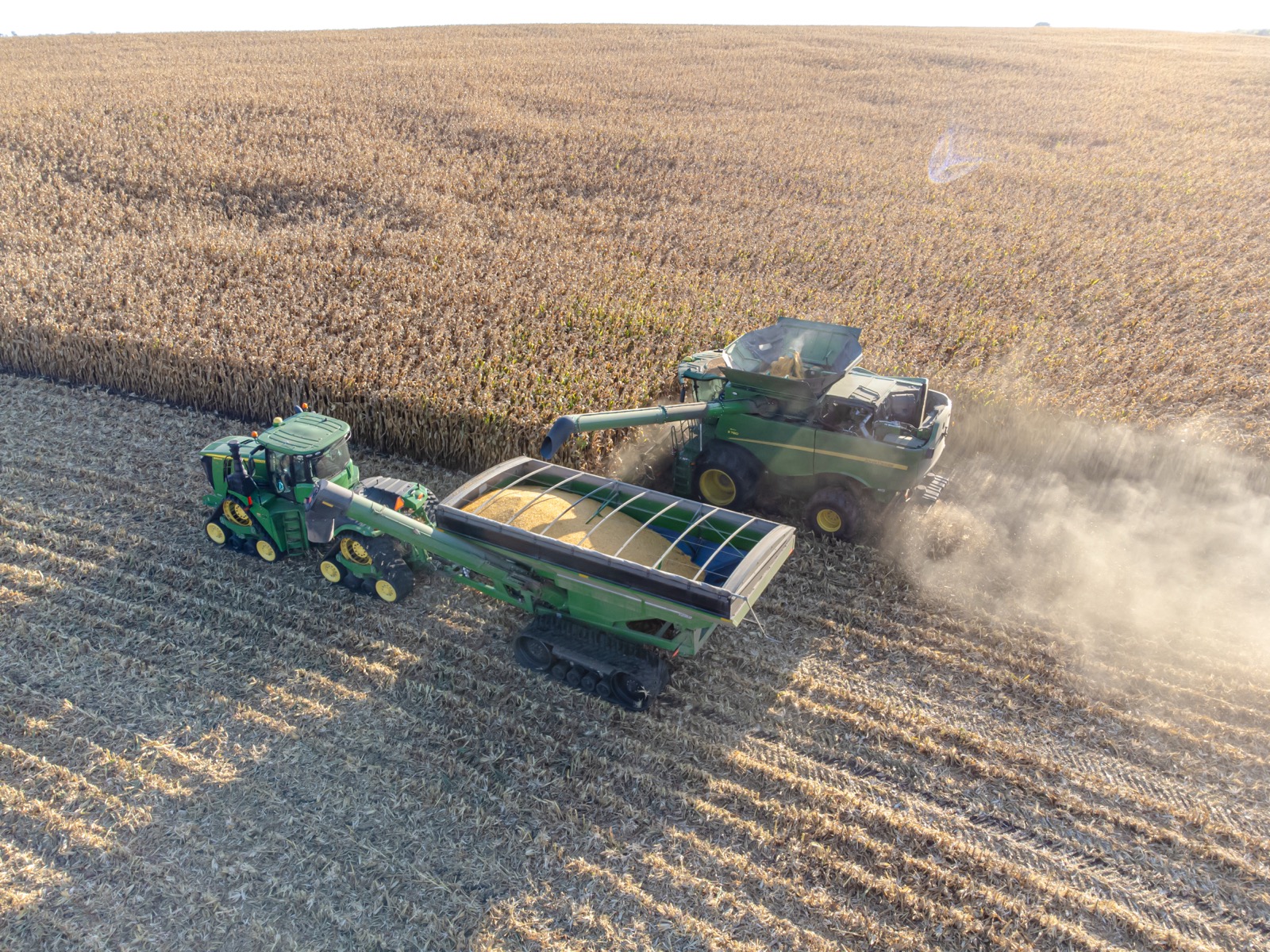
Is 40,000 people too small for Meta Ads?
No. I get this question almost every week, usually from a machinery dealer who has just drawn a 60km circle around a town in the Wimmera or the Darling Downs. Meta has shown them the orange warning that says the audience is too narrow. They panic. Then they widen it to half the state.
That's the wrong move. A dealer selling headers, air seeders or spray rigs doesn't need a million people. There might be 400 farm businesses in that circle that could realistically buy from you in the next two years. If your ads reach most of them over and over at the right time of year, that's the job done.
Meta's audience gauge was built for people selling phone cases and protein powder. It assumes you want scale. You want the right few hundred decision makers, and you want them to remember your name when the old machine finally lets them down.
What does a small audience actually cost you?
Let's be honest about the trade off. In a tight rural audience your cost per thousand impressions will usually sit higher than a city campaign. Frequency climbs faster. You'll burn through your creative in three or four weeks instead of eight.
But look at the numbers that matter. For agricultural machinery, a good Meta Ads enquiry in a regional audience usually lands somewhere between $30 and $70. A broad campaign might show you $12 leads. I've run both. The cheap ones are mostly tyre kickers, hobby farmers on 5 acres and people three states away who'll never drive four hours for a service.
This is why I push every client to track leads through to the actual sale, not just the form fill. Once you can see which enquiries became a quote and which quotes became a signed deal, the small audience argument goes away on its own.
So if size isn't the problem, what is?
In my experience it's nearly always one of four things, and they're not equally bad. I'd fix them in this order.
The biggest one is the offer. "Contact us about our range" gets nothing from a farmer. A trade-in valuation before harvest, a demo day on a real paddock, or finance that doesn't need a payment until after the crop comes off. Those get phones ringing.
Does timing matter more in a small audience?
Much more. With a big audience you can spray ads all year and something will stick. With 400 farming businesses, you have to be there when they're making decisions, and farmers make machinery decisions on a very clear calendar.
I push budget hard into the windows before the pressure hits, then pull it back when they're flat out in the cab. During harvest itself I keep a small spend running for parts and service, because that's when breakdowns happen and people search in a hurry. That's where Google Ads usually does the heavier lifting, with Meta keeping your name in front of them.
How I set up a small rural audience that works
Here's the setup I use for most dealers and agricultural businesses we work with. Nothing fancy. It works because it's tight and it's measured all the way to the sale.
Keep the whole region in one or two ad sets. Splitting a 35,000 person audience into six ad sets based on interests just starves each one of data. Meta's interest targeting for farmers is patchy anyway. Let the location and the creative do the filtering. A photo of a real header in a real paddock filters better than any interest box.
Two questions before you go
Two calls I see dealers get wrong all the time. What would you do?
-
1. Your Meta Ads audience is 35,000 people within 100km of your dealership. After three weeks your frequency is 6 and your cost per lead has gone from $40 to $85. What's your next move?
Refresh the creative and the offer. A frequency of 6 in a small audience means people are sick of the ad, not that you've run out of buyers. Widening to 300km brings in people who'll never drive to you, and pausing throws away the attention you've built when a new hook would fix it.
-
2. Campaign A got 60 leads at $22 each, but only 3 became sales-qualified leads. Campaign B got 18 leads at $55 each, and 9 became sales-qualified. Campaign B's audience is half the size. Which do you put more budget into?
Campaign B, by a mile. Work it out per sales-qualified lead: A spent $1,320 for 3, B spent $990 for 9. The cheap cost per lead is a trap, and splitting evenly means you keep paying for a campaign you already know is worse. This is exactly why you track to the sale and not the form fill.

Want this system built for your business?
Harvest Lead builds lead and sales systems for agriculture and machinery businesses across Australia. Book a call and we will map your search demand.
Book a strategy call